
Occupiers' Liability
Occupiers' liability claims
People and organisations in control of premises owe certain safety duties. Learn about potential claims under the Occupiers' Liability Acts and seek independent legal advice about your circumstances.
General information only · Not legal advice
What is occupiers' liability?
The Occupiers' Liability Act 1957 sets out the duty an occupier of premises owes to lawful visitors — to take such care as is reasonable in all the circumstances to keep them safe. The Occupiers' Liability Act 1984 extends a more limited duty to people who are not lawful visitors, including trespassers.
An 'occupier' isn't necessarily the owner. It's anyone who has sufficient control of the premises — a tenant, a contractor on site, a managing agent, even a homeowner welcoming a guest. Multiple parties can be occupiers at the same time and share liability.
Claims may arise where the occupier knew about (or ought to have known about) a defect and failed to deal with it — whether through inadequate maintenance, a missing warning, poor lighting, or unsafe structures.
Typical occupiers' liability claims
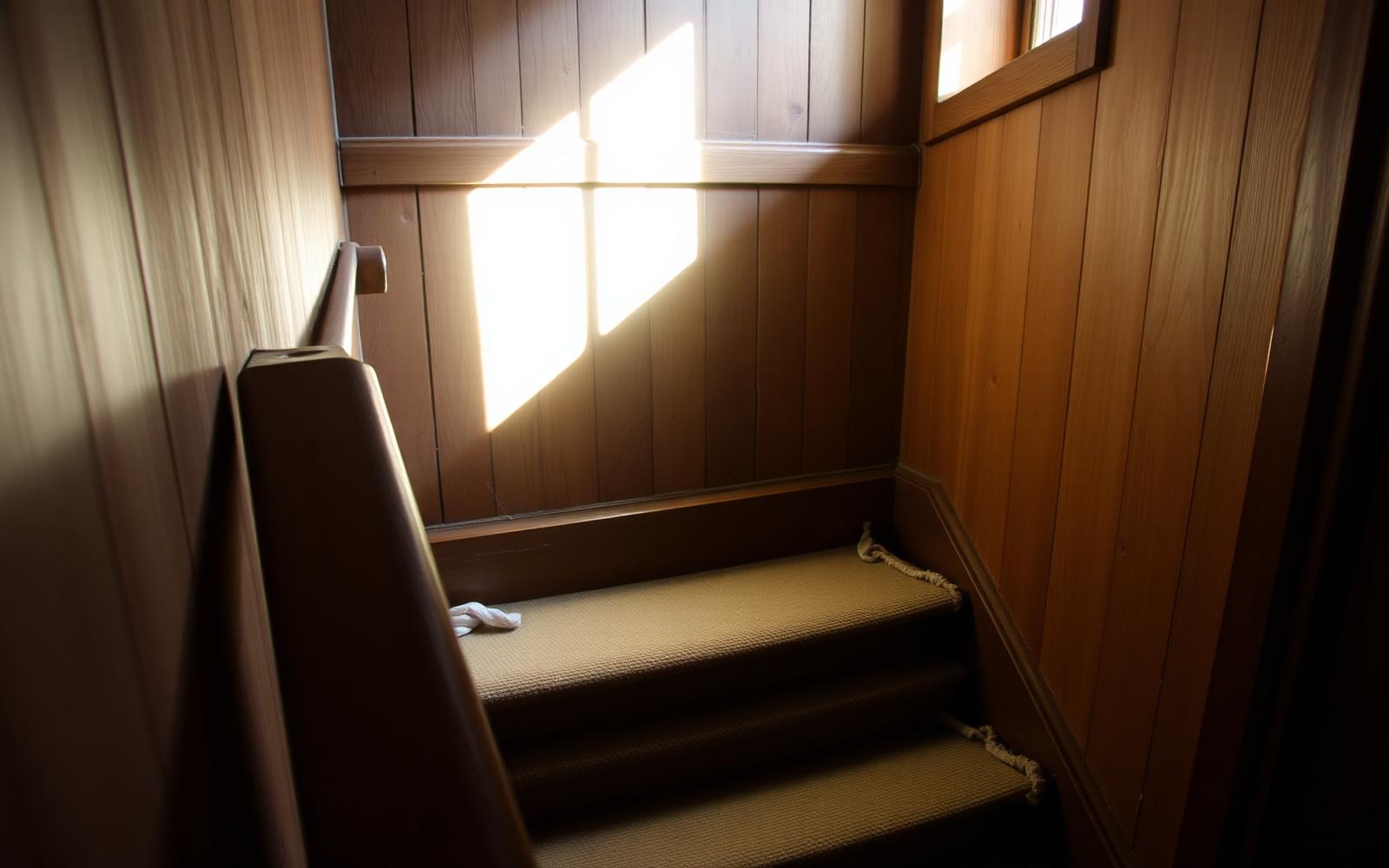
- Falls on poorly maintained stairs or handrails
- Loose carpet, broken tiles or uneven flooring
- Injuries on rented or holiday-let property
- Accidents in pub or restaurant car parks
- Falls at council-run facilities or schools
- Inadequate lighting in shared corridors
- Building site accidents involving visitors
- Injuries from defective doors or gates
How an occupiers’ liability claim may be investigated
Identify the right occupier(s)
Occupiers' liability claims often involve multiple parties — owner, tenant, managing agent, contractor. An instructed solicitor can identify the relevant parties and insurers.
Build the evidence base
Photographs, witness evidence, maintenance records and surveyor reports demonstrate that the defect was foreseeable and avoidable.
Assess potential compensation
An independent solicitor can advise on potential compensation for injury, ongoing care, rehabilitation and financial losses.
A note on time limits
Three years from the date of the accident in most cases. Where the injury developed over time, the three years runs from when you first knew it was caused by the unsafe premises.
Frequently asked questions
What's the difference between occupiers' and public liability?
They overlap heavily. Public liability is the wider insurance concept — a business's responsibility to the public. Occupiers' liability is the specific legal duty owed by anyone in control of premises to people who enter them, set out in the Occupiers' Liability Acts of 1957 and 1984.
Does it apply to private homes too?
Yes. Homeowners owe a duty of care to visitors. Most household insurance policies include occupiers' liability cover, so a claim against a friend or family member is really a claim against their insurer.
What about trespassers?
Under the 1984 Act, occupiers owe a limited duty even to trespassers if they know of a danger and a non-visitor might be exposed to it. The classic example is a child entering a building site through an unsecured fence.
What if the danger was obvious?
Obvious dangers reduce the occupier's responsibility but don't always remove it — especially where children are involved. A qualified solicitor must assess the facts to advise whether a claim is realistic.
How long do I have to claim?
Three years from the date of the accident in most cases, with special rules for children and people lacking mental capacity.
Related information
Informational website · Not a law firm
Questions about this website?
Contact us about our information. We do not provide legal advice, assess claims or represent clients. Consult a qualified solicitor for advice about your circumstances.